

- A tender is a formal invitation from a buyer — usually a government department — asking businesses to offer a price for supplying goods, services or work.
- Government buys through tenders so that the process is open, fair and recorded.
- Businesses that qualify submit a bid. Usually the lowest qualified bid (L1) wins.
- Today almost all tenders are online — on CPPP, state eProcurement portals and GeM.
When you need a new almirah for your home, you visit two or three shops, compare prices, and buy from whoever gives the best deal. A government department can't do it this casually. It is spending public money, so it must show that every eligible business got a fair chance, and that the price was right. That formal process is called tendering.
A tender, in one line
A tender is a public notice from a buyer that says: "We need this — here are our conditions — send us your best price by this date." Your reply, with your documents and price, is called a bid (some people also call it a "tender" — both words are used).
One example, start to finish
Step 1 — The need. The Zilla Parishad of a district needs 200 dual desks for its schools. Estimated cost: ₹8 lakh.
Step 2 — The notice. It publishes a Notice Inviting Tender (NIT) on the state eProcurement portal, with the tender document: desk size, material, quantity, delivery time, and who is eligible to bid.
Step 3 — The bids. Seven furniture manufacturers download the document, pay the tender fee and EMD (or claim MSE exemption), and submit their bids before the closing date.
Step 4 — Technical check. The committee opens the technical bids first. Two bidders are rejected — one had no GST certificate, one didn't meet the turnover condition. Five qualify.
Step 5 — Price check. Only the five qualified bidders' prices are opened. The lowest is ₹7.35 lakh. That bidder is L1.
Step 6 — Order. The L1 bidder gets the work order, gives a performance security, supplies the desks, and gets paid after inspection.
Every tender — whether it is 200 desks or a ₹50 crore road — follows this same basic pattern. Once you understand it, a tender document stops looking scary.
Why does government use tenders?
- Fairness: any eligible business can take part, not only people the officer knows.
- Right price: competition brings the price down.
- Accountability: every step is recorded, so it can be audited later.
- Rules: central government purchases follow the General Financial Rules (GFR) and procurement manuals; states and PSUs have similar rules.
The words you will see in every tender
| TERM | WHAT IT MEANS IN SIMPLE WORDS |
|---|---|
| NIT | The short notice that announces the tender: what, how much, last date, fees. |
| Tender document | The full rule book of this tender — conditions, specifications, forms. |
| BOQ | Bill of Quantity — the list of items and quantities where you fill your rates. |
| Corrigendum | A change or correction issued after the tender is published. |
| Eligibility / PQ criteria | Conditions you must meet to bid — turnover, experience, certificates. |
| EMD | Refundable deposit to show you are serious. |
| Tender fee | Non-refundable cost of the tender document. |
| L1 | The lowest qualified bidder — usually the winner. |
Where are government tenders published?
- CPPP (eprocure.gov.in) — the Central Public Procurement Portal, for central ministries, departments and many PSUs.
- State eProcurement portals — for example Maharashtra's mahatenders, and similar portals in every state.
- GeM (gem.gov.in) — the Government e-Marketplace, where departments buy common goods and services, often as online bids or direct purchase.
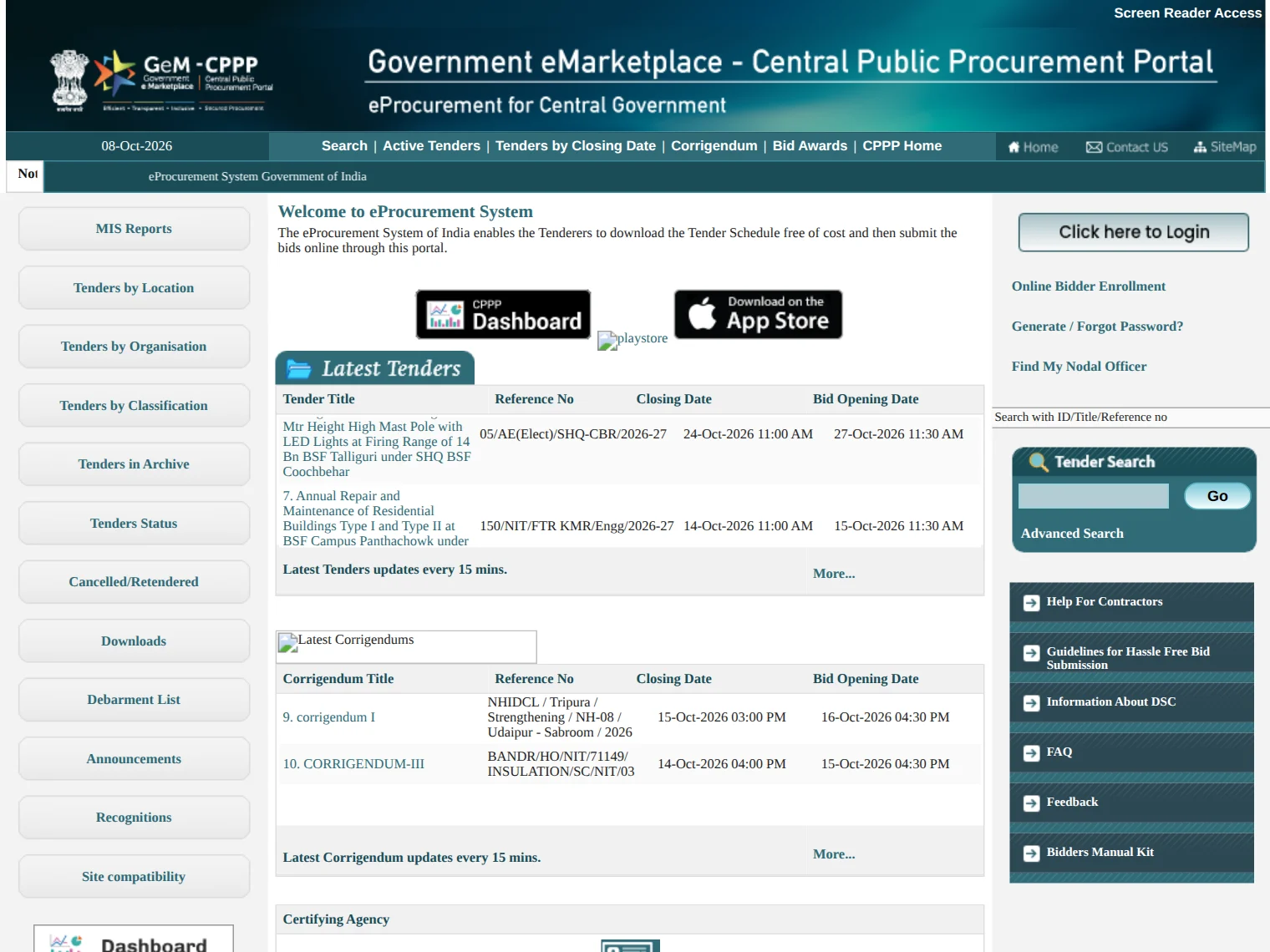
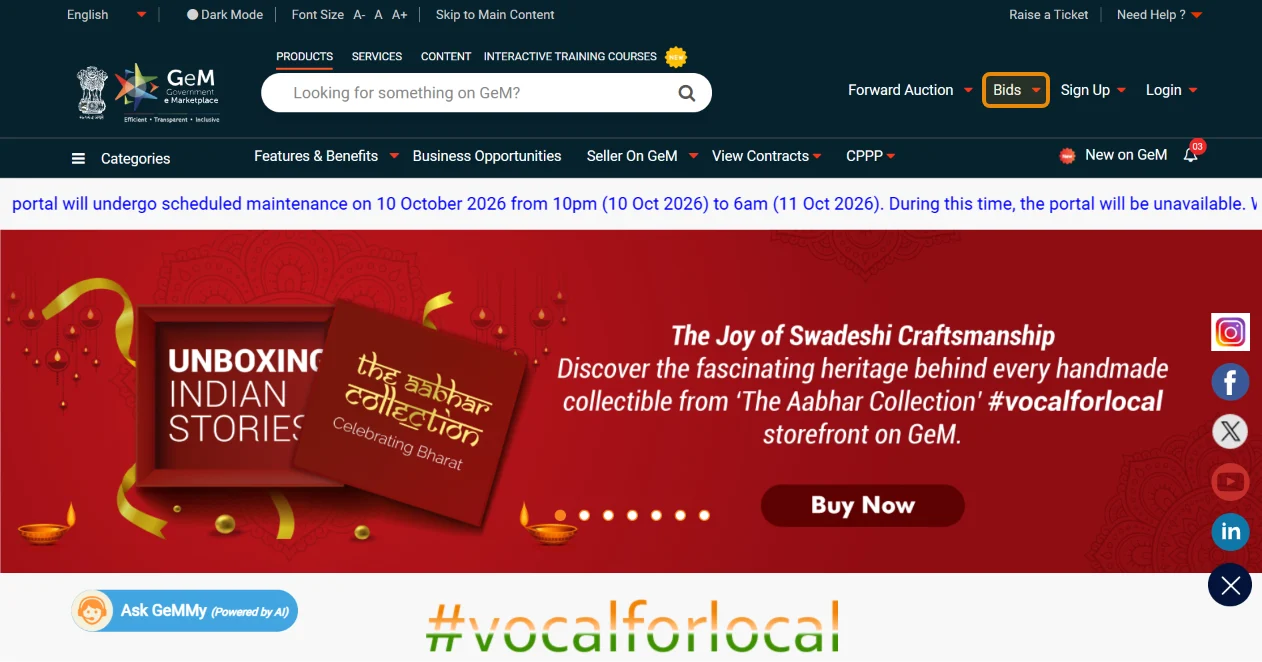
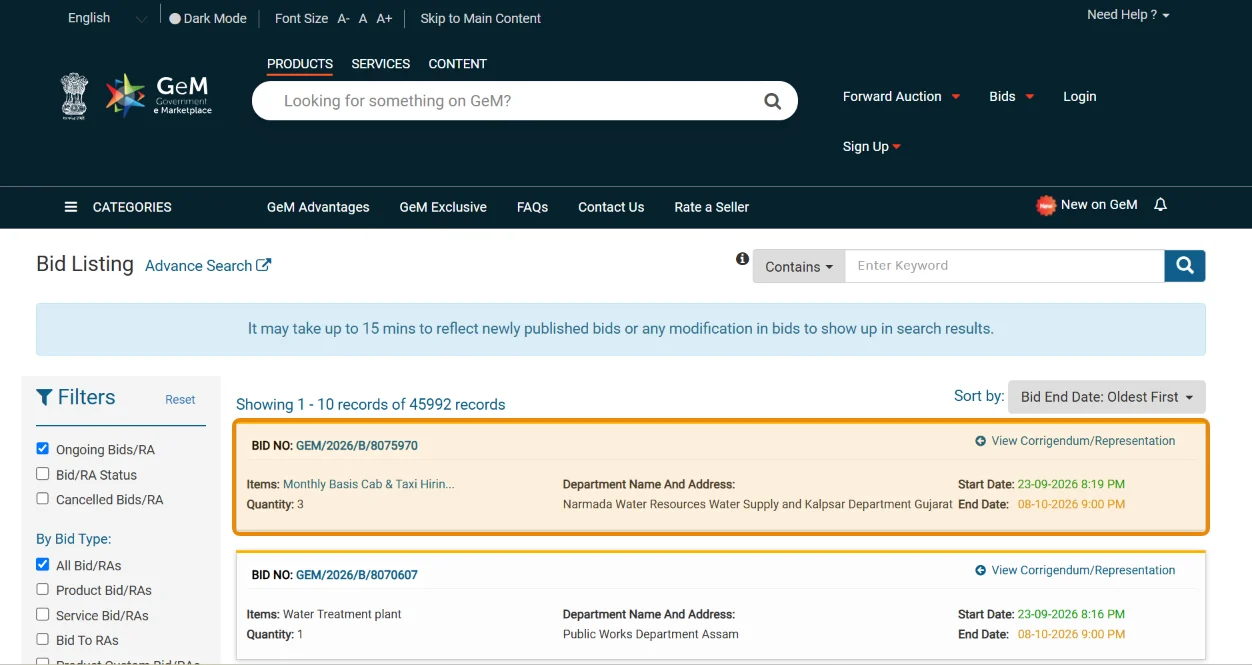
We cover each portal in detail in Where government tenders are published: CPPP, state portals and GeM.
Is tendering only for big companies?
No. Government policy actually reserves a share of purchases for micro and small enterprises and gives them benefits like EMD exemption and purchase preference. Many of our learners are small manufacturers, traders and service providers who started with one small tender and grew from there.
What you do need is patience and care: reading the document fully, keeping your registrations (GST, Udyam, PAN, DSC) ready, and pricing correctly.
Ask us on WhatsApp — we reply personally, usually the same day.
Ask on WhatsApp
Hiral Dron
Founder, Tender Training India · GeM Gold Certified · 15+ years in tendering, GeM and procurement advisory. Training MSMEs in government tendering since 2016.